
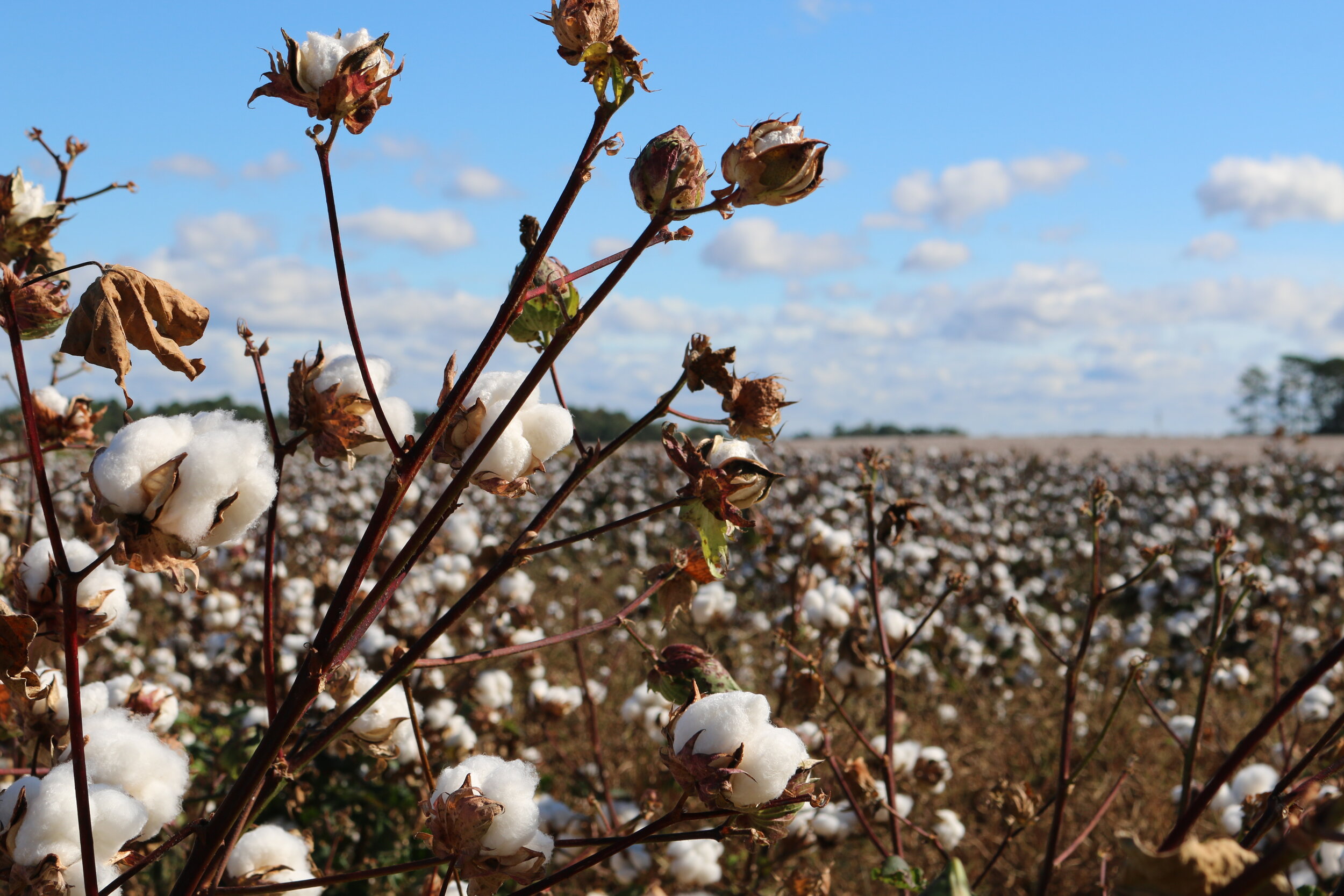
Cellulose Fibers: what can we dye?
(Scroll down for info on custom dye jobs)
Cellulose = from a plant
Because we only use low-impact, cold process, fiber reactive dyes at WAXON Studio, we are committed to teaching you about the best practices for getting professional results, whether you’re bringing in something to dye or letting us create or source the fabric for you.
It's all about the chemistry: fiber reactive dyes work on cellulose fibers, which are fibers that come from plants. You can dye anything that is made up of all or any of these fibers:
cotton
linen/ flax
silk*
rayon
bamboo
tencel
lyocell
hemp
modal
ramie
viscose
jute
cupro
What can't be dyed here? Anything synthetic, like polyester or nylon. If it's more than 10%, you're going to start seeing faded looking results in your dye job. Some people don't mind, but we like to keep it natural! Check your tag.
*silk works a little differently with our dyes, because it is technically a protein fiber (it's made by worms). The dyes might be a little or a lot different in color than what is expected for cellulose fibers. But it takes the dye permanently and beautifully!
Bringing something to dye for a class? For best results:
Check your tag, and make sure it’s made from 100% dyeable fibers.
2. Make sure your item is pre-washed, and dried without fabric softeners/perfumes. We want those fibers to be as naked as possible!
3. Please don’t bring anything thicker than a standard t-shirt. Thicker items like hoodies, pants, canvas jackets, towels, etc. take way more dye and time, and we prefer to do class with regular thickness items.
Bringing something for us to dye for you? To save time:
Review our hiring guide to see our colors, our dyeing styles, and pricing
Make sure you look at the photo below.
Text with any questions at all!
828-367-7537
— WAXON teaching staff
